
As the second most-used plastic in cars (up to 24 kg per vehicle) polyurethanes are widely used in automotive interiors due to their versatility, customisability, durability, and – above all – comfort properties. The utilisation of polyurethane in vehicle interiors brings forth a multitude of benefits, making it a preferred choice for numerous applications such as seating cushions (well over 90% of market share), instrument and door panels, carpet underlay, acoustic insulation, and battery encapsulation in Electric Vehicles (EVs).
Comfort & Ergonomics
It is estimated that passenger car contains between 24-28kg of PU, most of which is flexible PU foam used as cushioning in seats (on average 8-12kg). Polyurethane foam used for car seating helps to reduce pressure points by shaping itself to the body and keeps seats from getting too hot or cold. In addition, PU foam in car seats can hold its shape for years without sagging, showing stability even under severe conditions. It can also be found inside the steering wheel and armrests for a pleasant touch.
Acoustics
As vehicles transition to quieter powertrains, interior noise management requires high-performance sound absorption and vibration dampening. Specialized, sound-absorbing foam is packed inside the:
- doors
- floorboards
- dashboard
- roof
- engine compartment
It attenuates airborne noise across a wide range of frequencies. This is particularly relevant in EVs, where the absence of internal combustion engine mask noise elevates the perception of road, tyre, and wind noise. Lightweight yet highly effective, PU foam integrates sound management, sealing, and structural benefits into one material, making it hard to outperform.
Thermal Management
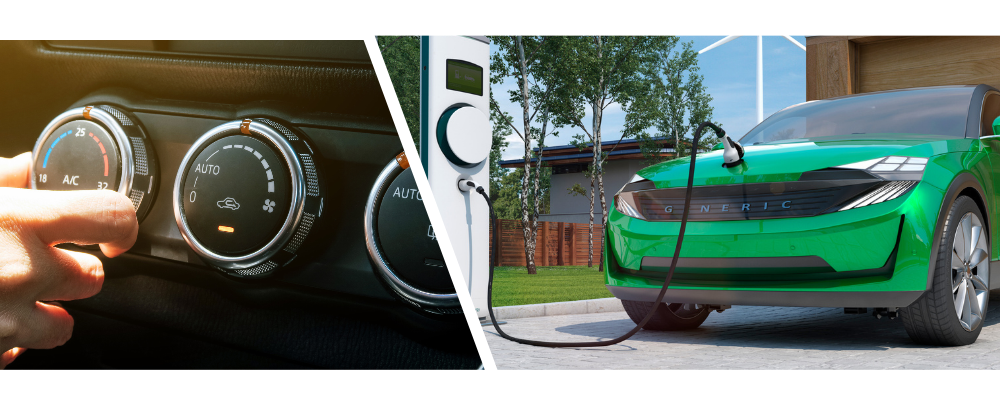
Polyurethane foam serves as a primary thermal barrier, reducing heating, ventilation, and air conditioning energy consumption and maintaining cabin comfort. Its low thermal conductivity insulates the cabin against temperature extremes.
Safety
Beyond all these properties, polyurethane foam plays a structural role in vehicle safety systems and EV battery protection. High-density, rigid PU foams are injected into metal frame pillars and door panels. In a side or front collision, the foam undergoes controlled progressive crushing, absorbing dynamic kinetic energy and reinforcing cabin integrity.
In electric cars, it takes safety even further: polyurethane foam encapsulates the battery pack to shield cells from physical impacts, insulate against extreme heat, and prevent thermal runaway.
Lightweighting & Sustainability
Polyurethane delivers high structural performance per unit density, supporting lightweight engineering and decarbonization targets. Because polyurethane foam is a lightweight material, it helps lower overall vehicle weight, directly improving fuel efficiency for traditional engines and extending battery range for electric vehicles.
Versatility & Design Flexibility
The fundamental chemistry of polyurethanes, reacting diisocyanates with polyols, allows chemical engineers to fine-tune PU foam properties, that can be adjusted from soft, low-density flexible foams to rigid structures, allowing designers to deploy polyurethane solutions almost anywhere in the car.
Built for the Future: Polyurethanes in Modern Vehicles
Polyurethanes are far more than an interior comfort material. It is a critical enabler of the mobility transition. By simultaneously solving the challenges of occupant safety, cabin acoustics, lightweighting, and EV battery protection, PU let engineers do more with less, combining strength, comfort, and protection into a single material. As the automotive industry shifts toward electric cars and circular manufacturing, polyurethane’s versatility ensures it remains central to designing safer, quieter, and more sustainable vehicles for the road ahead.