
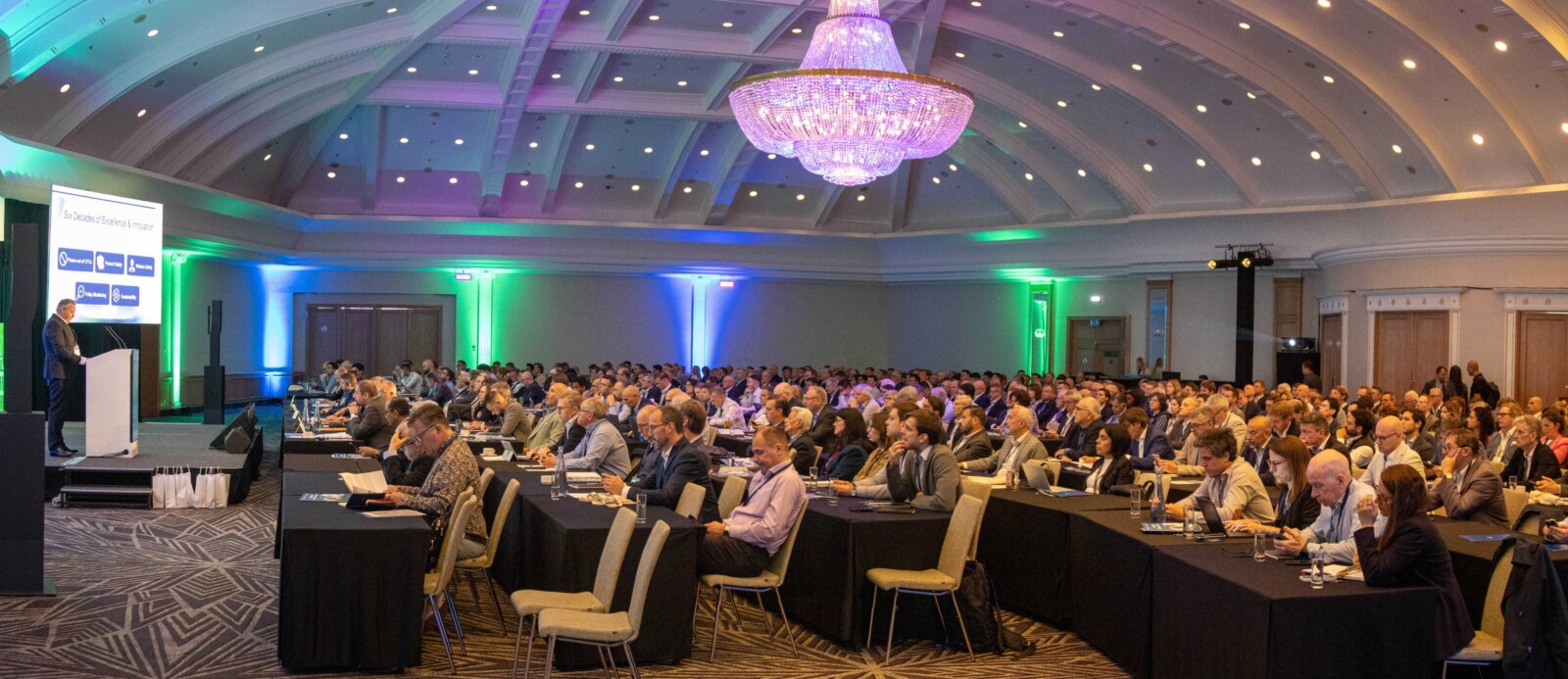
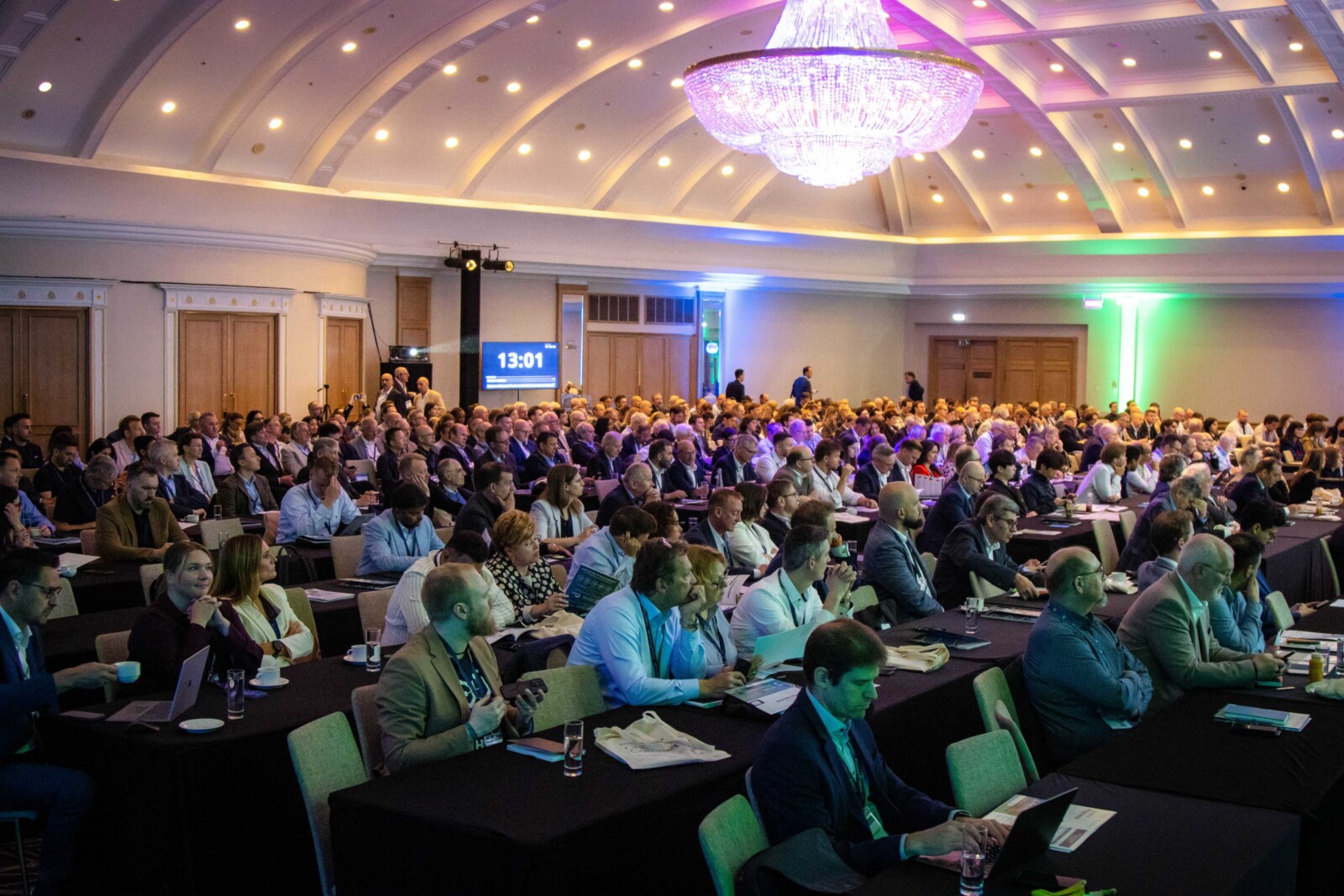
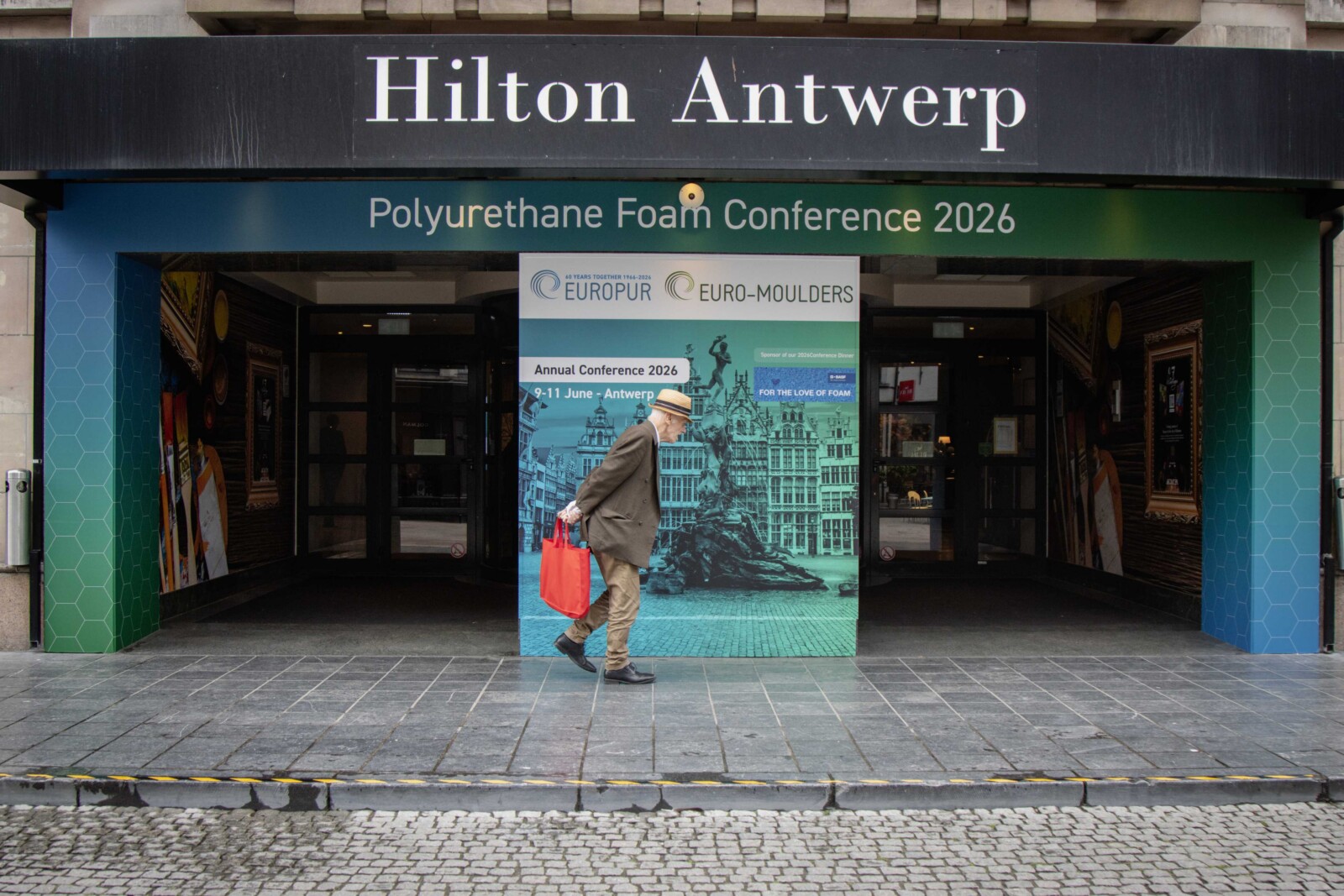
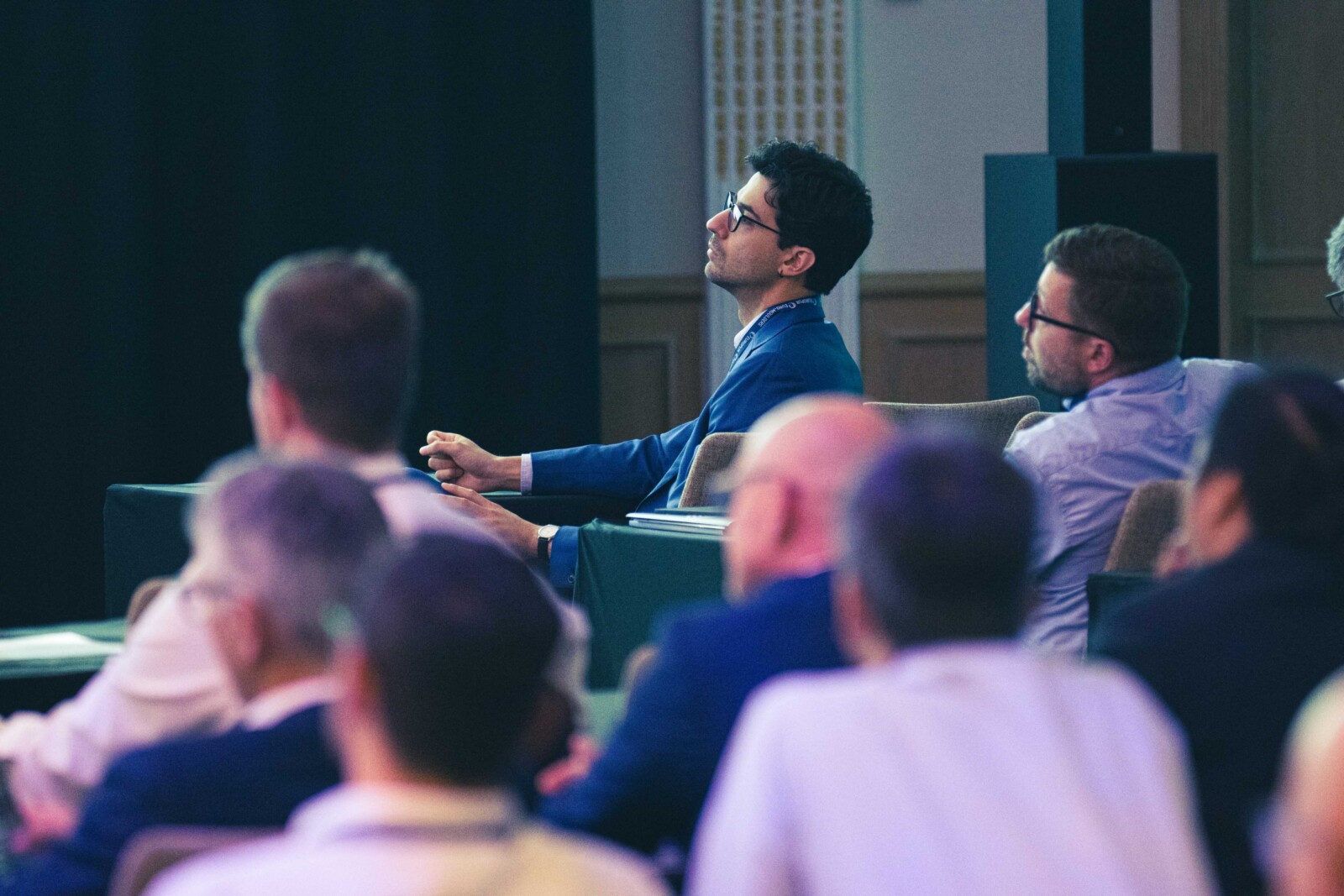
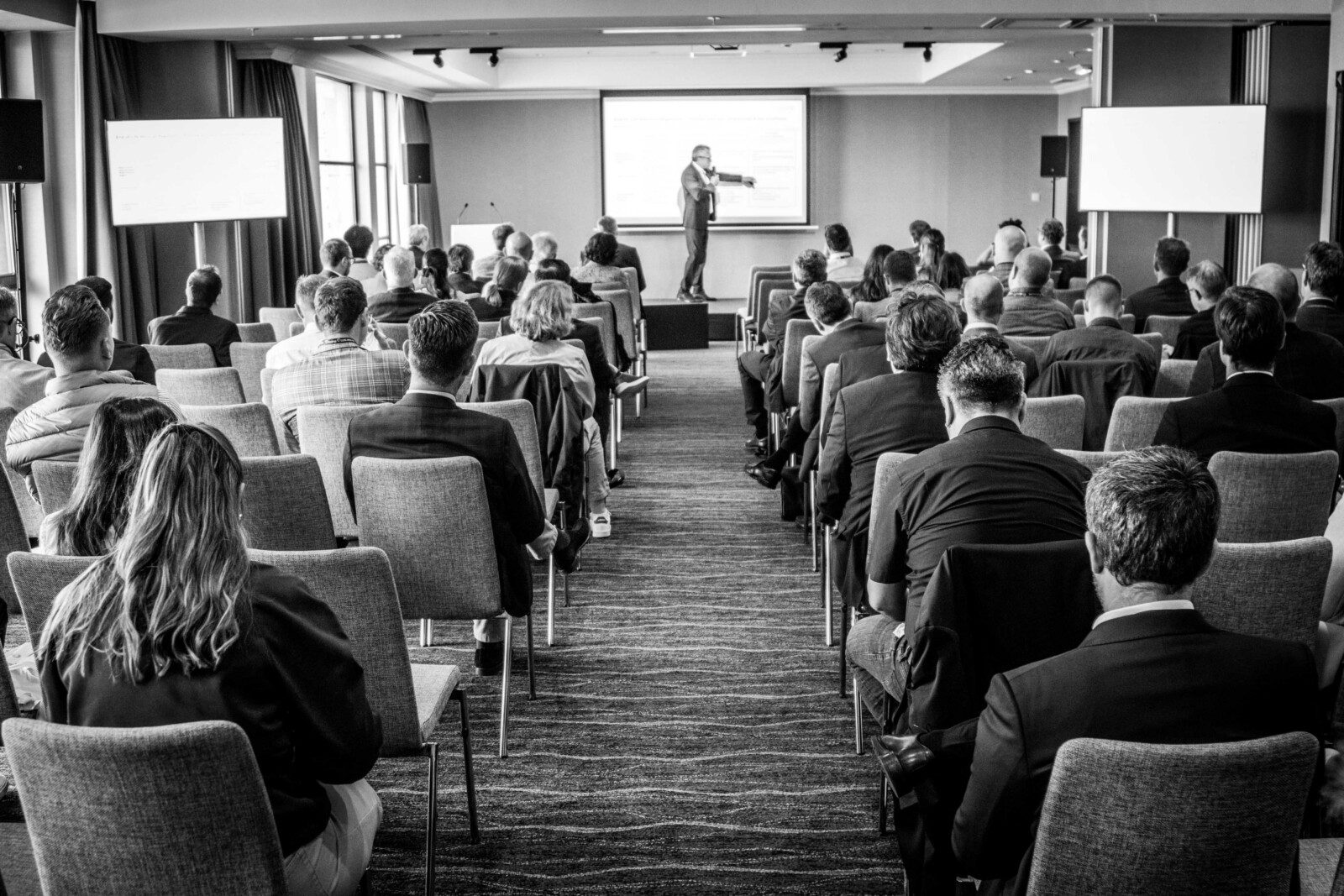
The 2026 Annual Conference of the European flexible polyurethane industry – co-organised by EUROPUR and EURO-MOULDERS – was held in Antwerp, Belgium, from 9 to 11 June. Held under the EUROPUR anniversary theme “60 Years Together”, the conference brought together the wider flexible polyurethane foam sector, gathering around 550 attendees from more than 170 companies, including PU foam producers, raw material suppliers, machinery manufacturers, recyclers, service providers, and downstream partners from sectors such as bedding, furniture and automotive. The 2026 edition was kindly sponsored by BASF.
Reflecting on 60 years, with eyes on the future
The public conference programme began on 10 June with EUROPUR’s Formal General Assembly and a welcome address by Bart J. ten Brink, President of EUROPUR.
In his opening remarks, the anniversary year provided a natural moment to recognise the association’s history and the long-standing cooperation between members. Yet the tone of the conference was firmly forward-looking. Across the presentations and discussions that followed, speakers addressed a common question: how can Europe’s flexible polyurethane foam industry remain innovative, competitive and responsible in a rapidly changing policy and market environment?
Europe’s industrial crossroads
The first day of the conference placed the polyurethane foam sector within the wider European industrial debate.
Georg Riekeles, Associate Director at the European Policy Centre, opened the keynote programme by examining whether EU policies can live up to the needs of Europe’s chemicals industry. Moving closer to the polyurethanes industry, in the next presentation, David Carroll, External Affairs Director at Plastics Europe, addressed the challenges and opportunities facing Europe’s plastics industry at a time of regulatory pressure, industrial transformation and global competition.
The morning continued with a market outlook session moderated by Steven Pacitti, Editor of Urethanes Technology International. Clint Raine of Belvedere & Partner, Stefan Hermes of the Asian Polyurethanes Business Association, Giulia Taveggia of CSIL and Laura Tovey-Fall of Argus Media provided perspectives on upstream and downstream market developments, including raw materials, global polyurethane trends, furniture and bedding demand, and broader economic signals.
The session highlighted the complexity of today’s operating environment. Companies are navigating volatile markets, changing consumer demand, new regulatory expectations and pressure to demonstrate measurable sustainability progress, and growing concerns around competitiveness, including market pressure from outside Europe.
Regulation moves from background to business strategy
A central theme of the 2026 conference was the growing impact of EU regulation on product design, material choices, value chains and future business models.
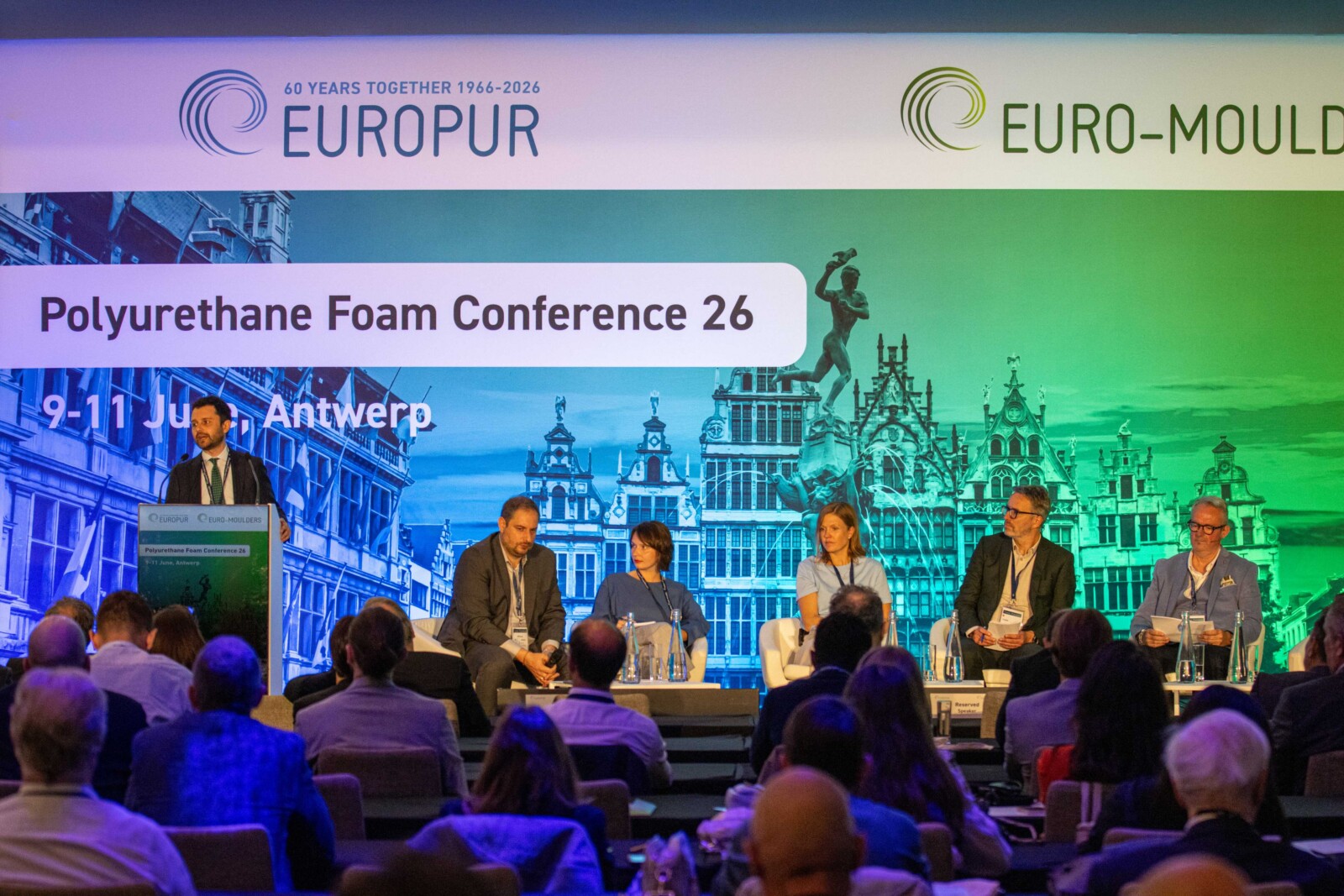
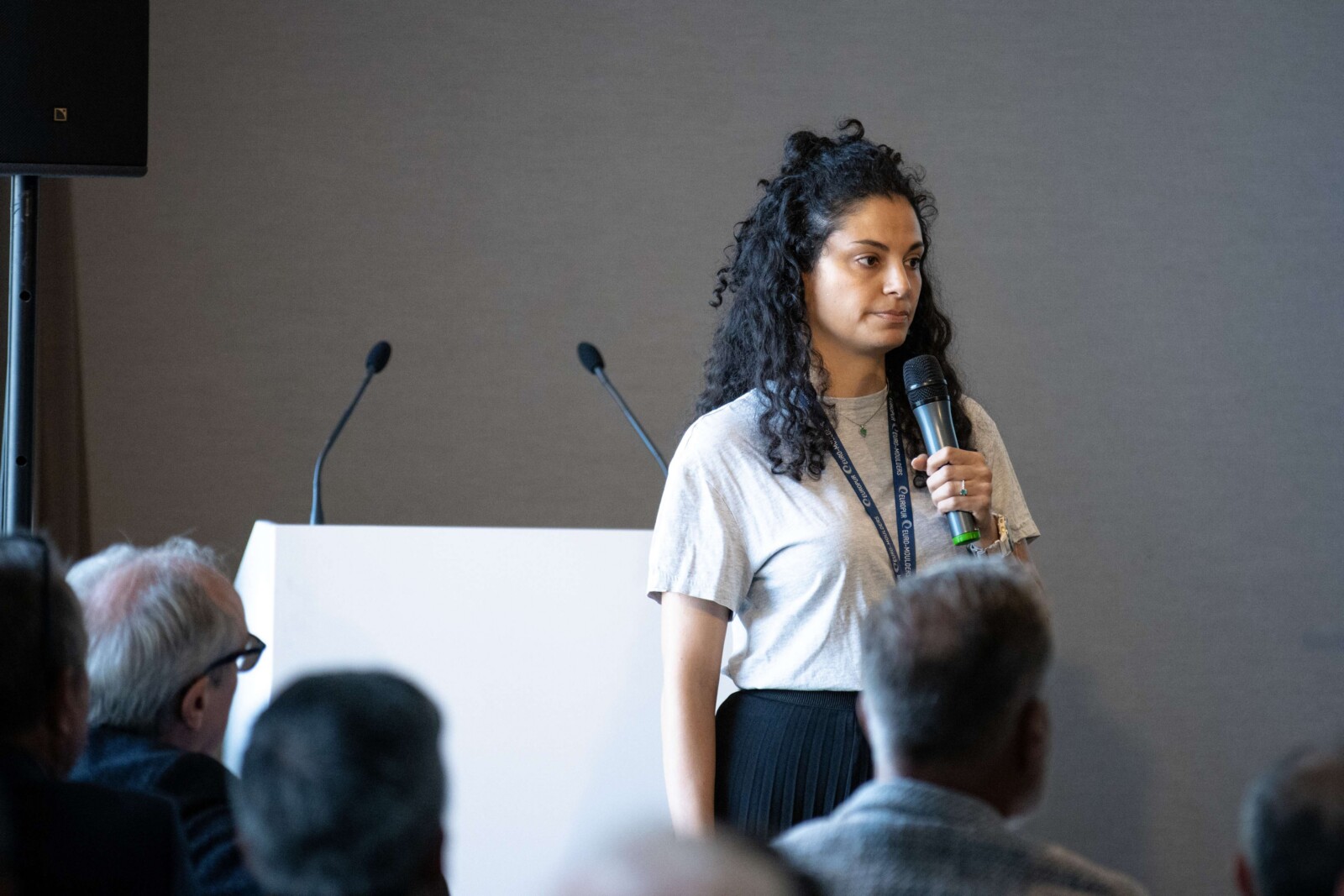
This was most visible during the panel discussion on the Ecodesign for Sustainable Products Regulation and its implications for furniture and mattresses. Moderated by Michel Baumgartner, Secretary General of EUROPUR, the panel brought together Jana Hřčková – Policy Officer from the European Commission, Frederik Lauwaert – Managing Director of the European Bedding Industries’ Association, Emelie Nordström – Public Affairs Partner at Inter IKEA, Bart Haelterman – Vice-President Research and Development and Sustainability for the EMEA and APAC region Carpenter, and Paolo Campanella – Secretary General of FEAD, the European Waste Management Association.
The discussion underlined that ecodesign, circularity, recyclability, digital product information and future performance requirements are becoming strategic issues for the sector. Rather than being treated as compliance exercises, these developments increasingly influence how products are designed, documented, marketed and recovered at the end of life.
Automotive transformation and the role of polyurethane
The automotive sector featured prominently throughout the programme, reflecting the importance of slabstock and moulded polyurethane applications in vehicles, as well as the transformation currently taking place across the automotive value chain.
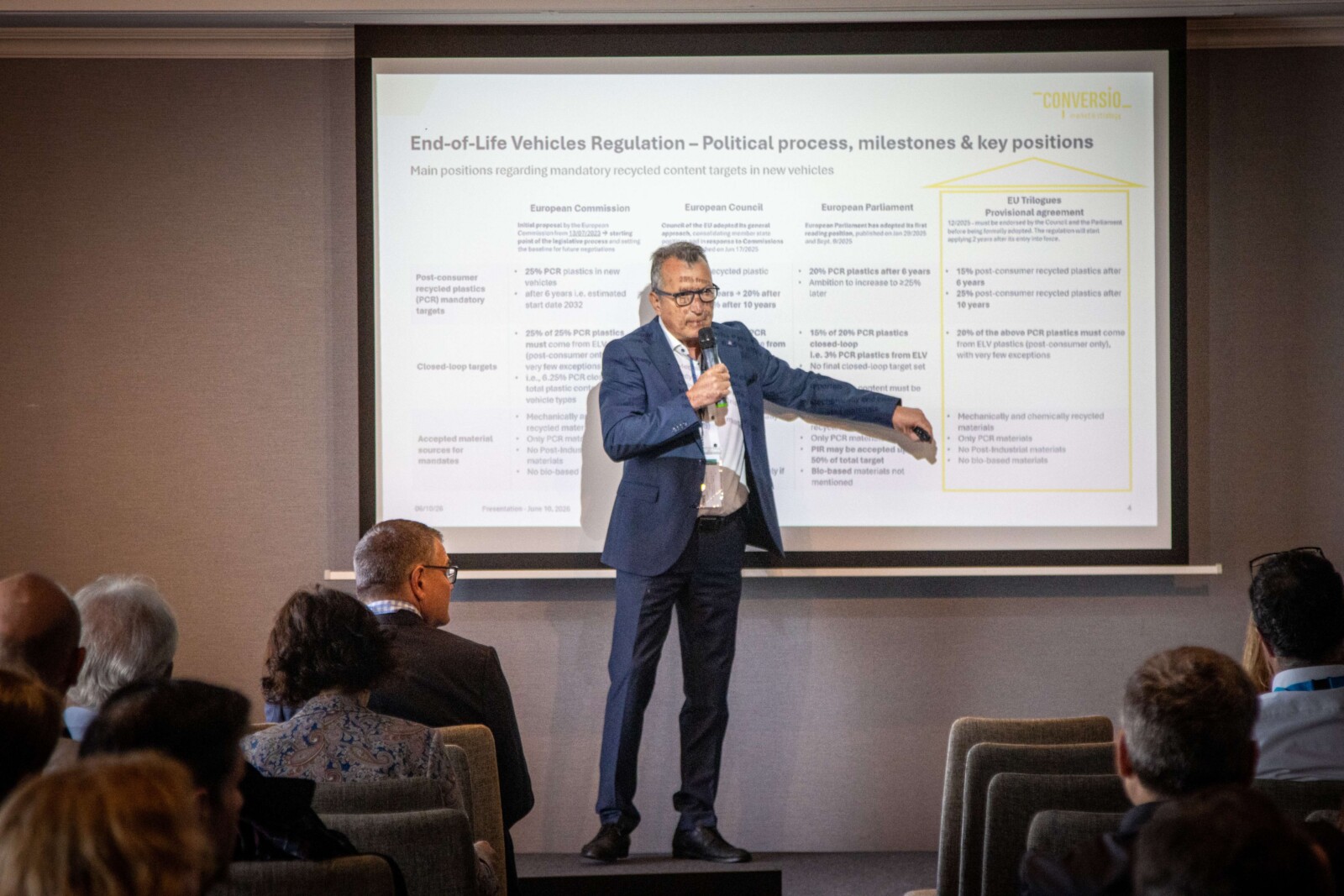
Laurence Noël, Executive Vice-President and Head of Global Automotive Industry at Capgemini Group, presented on automotive transformation at a time of structural uncertainty. Timo Unger, Senior Manager Sustainability and Environmental Affairs at Hyundai Motors Europe Technical Center, then addressed the challenge of developing truly sustainable vehicles, using the EU End-of-Life Vehicles Regulation as an example.
Thinking in ecosystems
The main keynote of the conference was delivered by Belgian business strategist, author and keynote speaker Rik Vera, bringing both local perspective and international expertise to the programme. His presentation addressed the growing importance of collaboration in an increasingly complex business environment, where challenges facing the polyurethane industry often go beyond the capacity of any single company. Drawing on his work on digital transformation, innovation and the ecosystem economy, he encouraged participants to think beyond individual organisations and consider how broader industry ecosystems can support future resilience and competitiveness.
Sustainability on every corner
The second day of the conference turned the strategic discussions of day one into more technical and practical exchanges.
In the full-day Sustainability sessions, speakers presented developments in renewable carbon, bio-based adhesives, chemical recycling, low-PCF foam bonding, molecular circularity, bio-based silicone surfactants and new solutions for sustainable comfort. Presentations from companies and organisations including CSIL, The Vita Group, BASF, Brighi, Purtiso, Evonik, Econic, Wakol, Simalfa, MAYSTA Chemical and the University of Antwerp showed that circularity is no longer only a policy ambition. It is increasingly being translated into materials, processes, partnerships and measurable performance improvements.
A dedicated session on EPR schemes and digital product passports explored how compliance and circularity may be supported by better data and more structured value-chain cooperation. The panel brought perspectives from the governing organisations for EPR’s for mattresses in Belgium (Valumat), Spain (Ecocolchon), Germany (Matratzenverband), and France (Ecomaison), while later presentations by BASF & BPI, and Triple R, examined how digital tools and circular economy platforms may help the polyurethane industry prepare for new expectations.
Rethinking polyurethane for future mobility
Across the two Automotive sessions moderated by Stephan Wendel, Technical Chair of EURO-MOULDERS, speakers explored how moulded polyurethane applications are evolving in response to changing automotive requirements. The first session addressed the technical committee’s work, alternatives to polyurethanes in automobiles, recycling technologies for end-of-life vehicles waste, and acoustic insulation systems for passenger vehicles, with contributions from EURO-MOULDERS, Conversio, BASF and Kimpur. The second session continued the focus on raw materials innovation and PU circularity, with presentations from Huntsman, Dow, Gruppo Fiori, Evonik, Covestro and the Global Impact Coalition.
Proactive responsibility
The Product Stewardship & EHS session, moderated by Patrick de Kort, Regulatory Affairs Manager at EUROPUR, focused on regulatory developments, workplace safety and responsible product management across the polyurethane value chain. With contributions from ISOPA, EUROPUR, Pikolin, The Vita Group and Microban International, presentations covered updates on diisocyanates, CertiPUR and critical substances, preparations for future occupational exposure limits, exposure reduction in slabstock foam production, aprotic solvent substitution and antimicrobial technologies. The session underlined the industry’s continued commitment to safety, compliance and proactive product stewardship in a changing regulatory environment.
Innovation across applications
The technical programme also highlighted the versatility of flexible polyurethane foam across applications.
The Versatility and Innovation session included presentations on multifunctional materials for transportation (NEVEON), advances in reticulated foam machinery (Reticulatus), rebond foam as a circular solution (Federal Eco Foam), new cutting technologies (Fecken Kirfel) and graphene-enhanced flexible PU foams for low-frequency automotive noise control (CellMat Technologies).
Together, these presentations reflected a dynamic and wide-ranging innovation landscape across the sector. It spans material chemistry, processing, machinery, circularity, comfort, durability and application-specific design.
A global industry conversation
Although the conference was European in focus, the 2026 programme also brought in wider global perspectives.
A dedicated Global Perspectives session included updates from North America (Polyurethane Foam Association, ACC / Center for the Polyurethanes Industry), South East Asia (the Asian Polyurethanes Business Association), Central and Latin America (Poliuretanos), and India (the Indian Polyurethane Association).
These regional perspectives helped place European developments in a broader international context. While regulatory frameworks and market dynamics differ across regions, many of the underlying questions are shared: how to remain competitive, how to respond to sustainability expectations, and how to develop practical solutions for circularity and resource efficiency.
Celebrating 60 years of EUROPUR
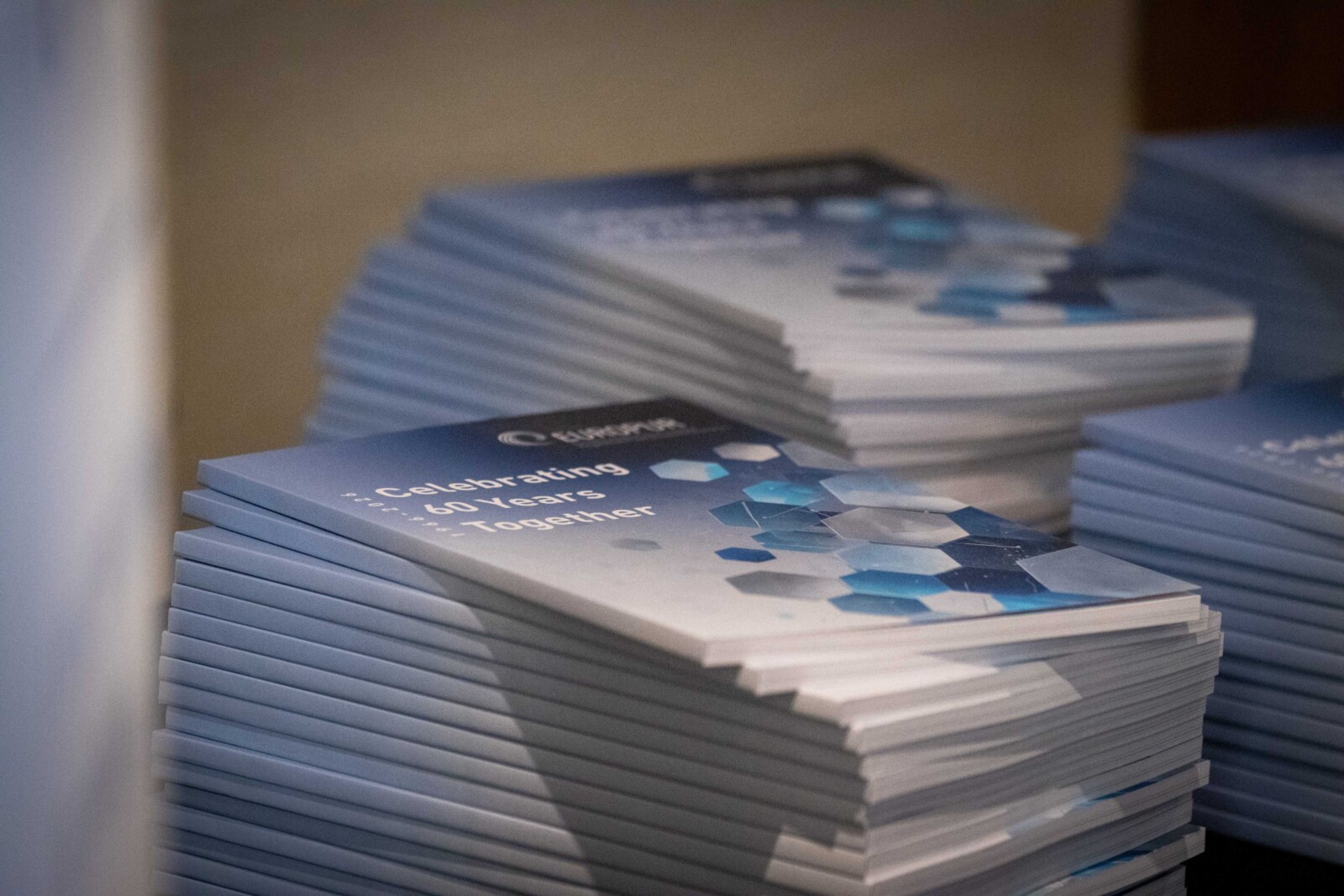
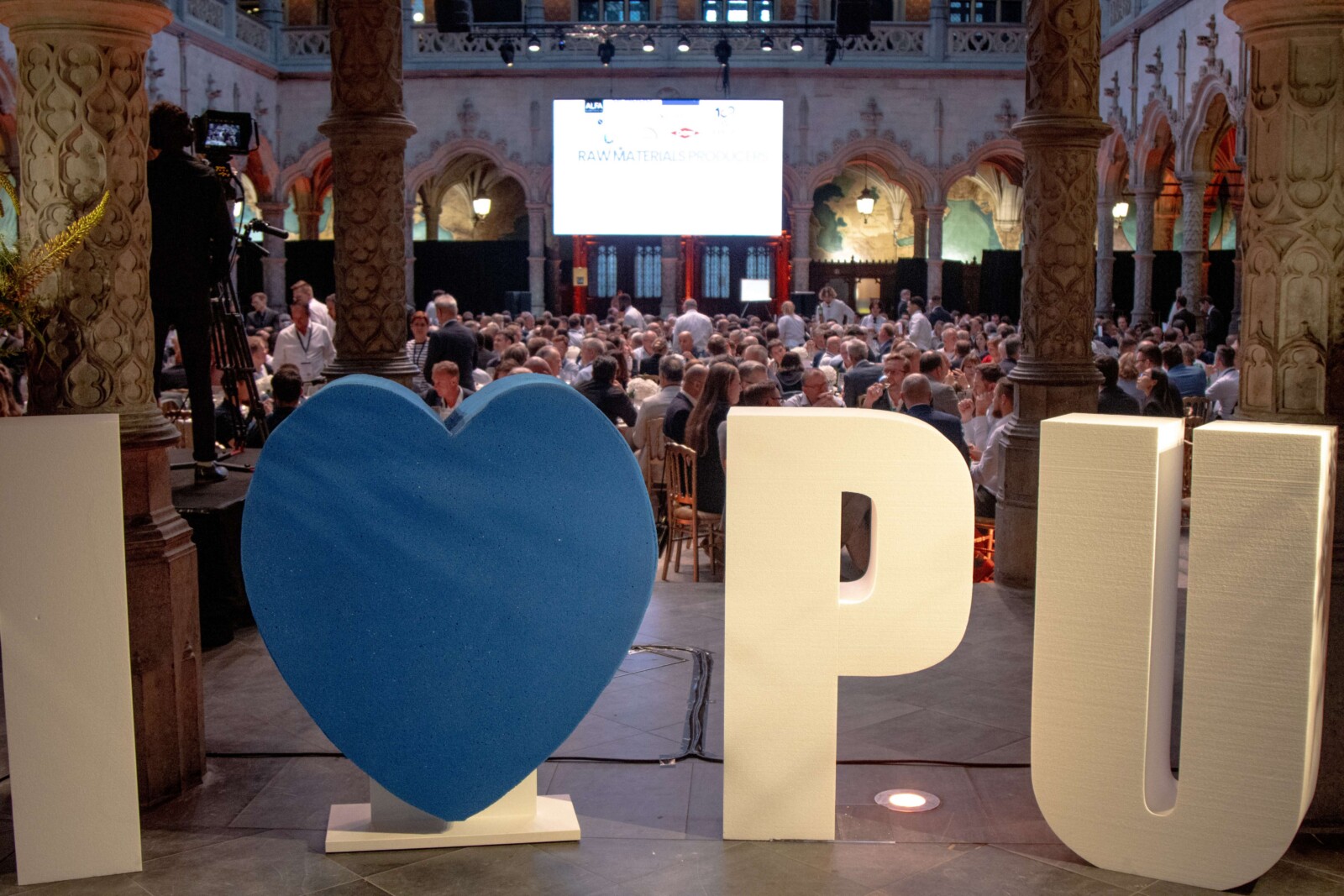
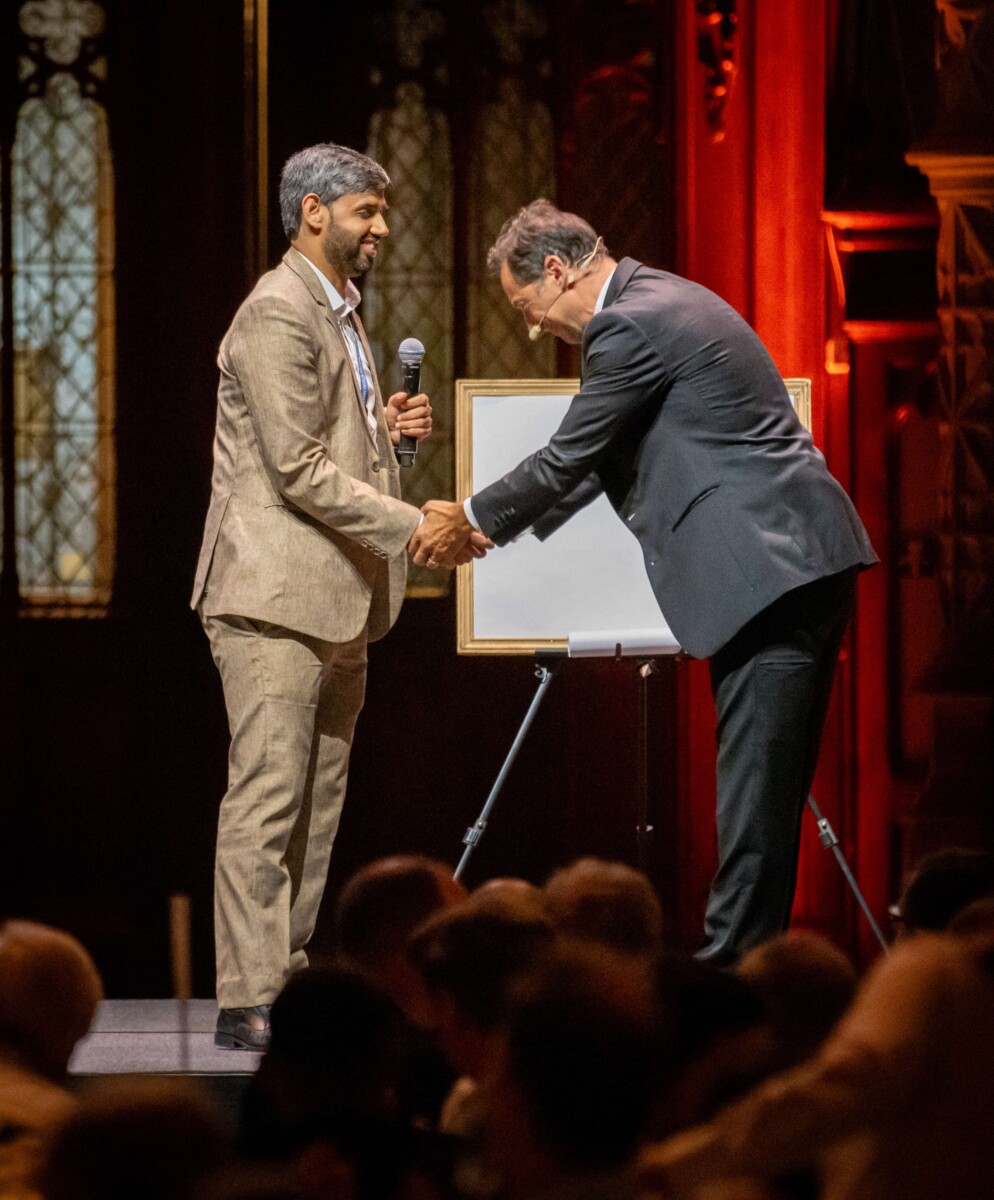
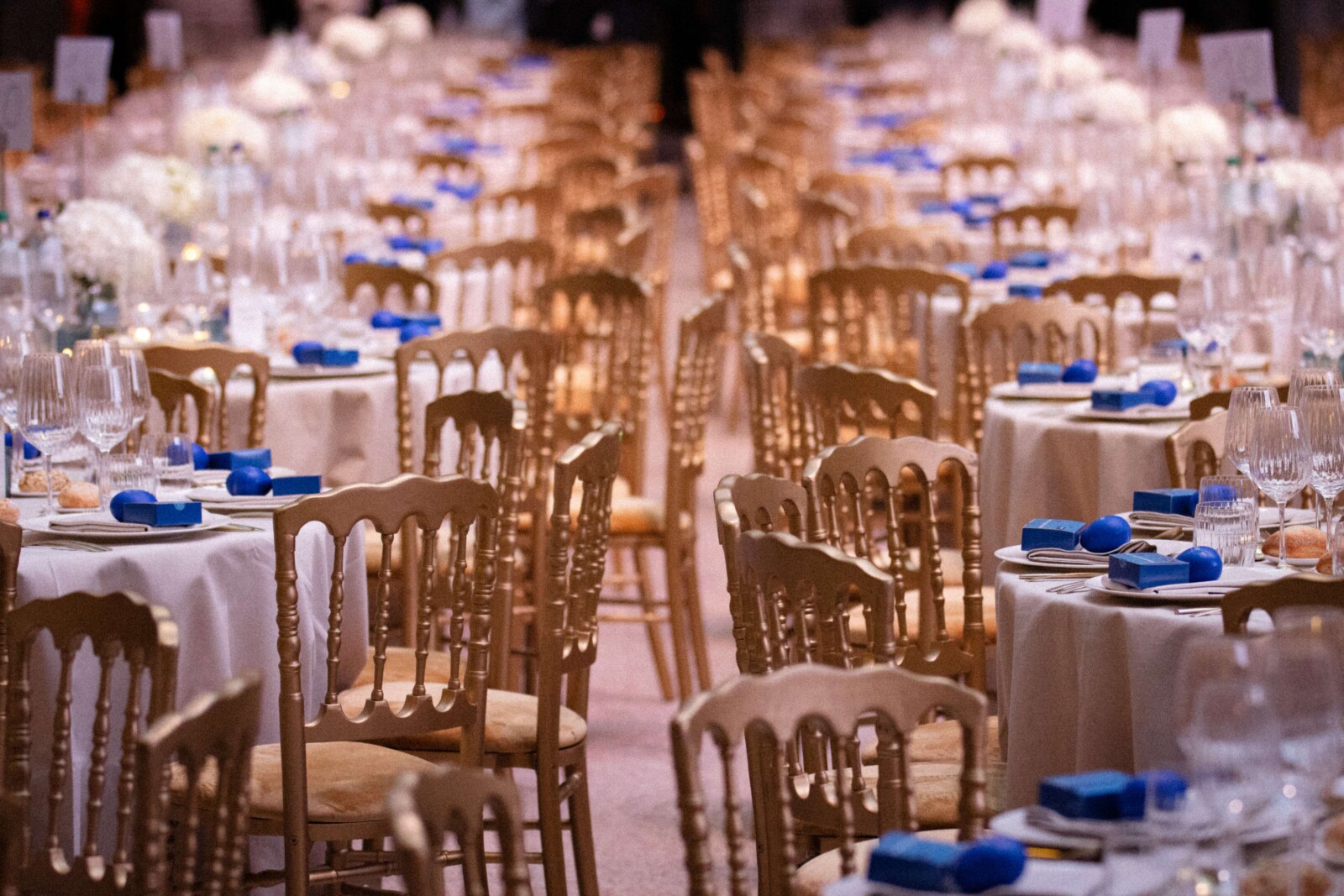
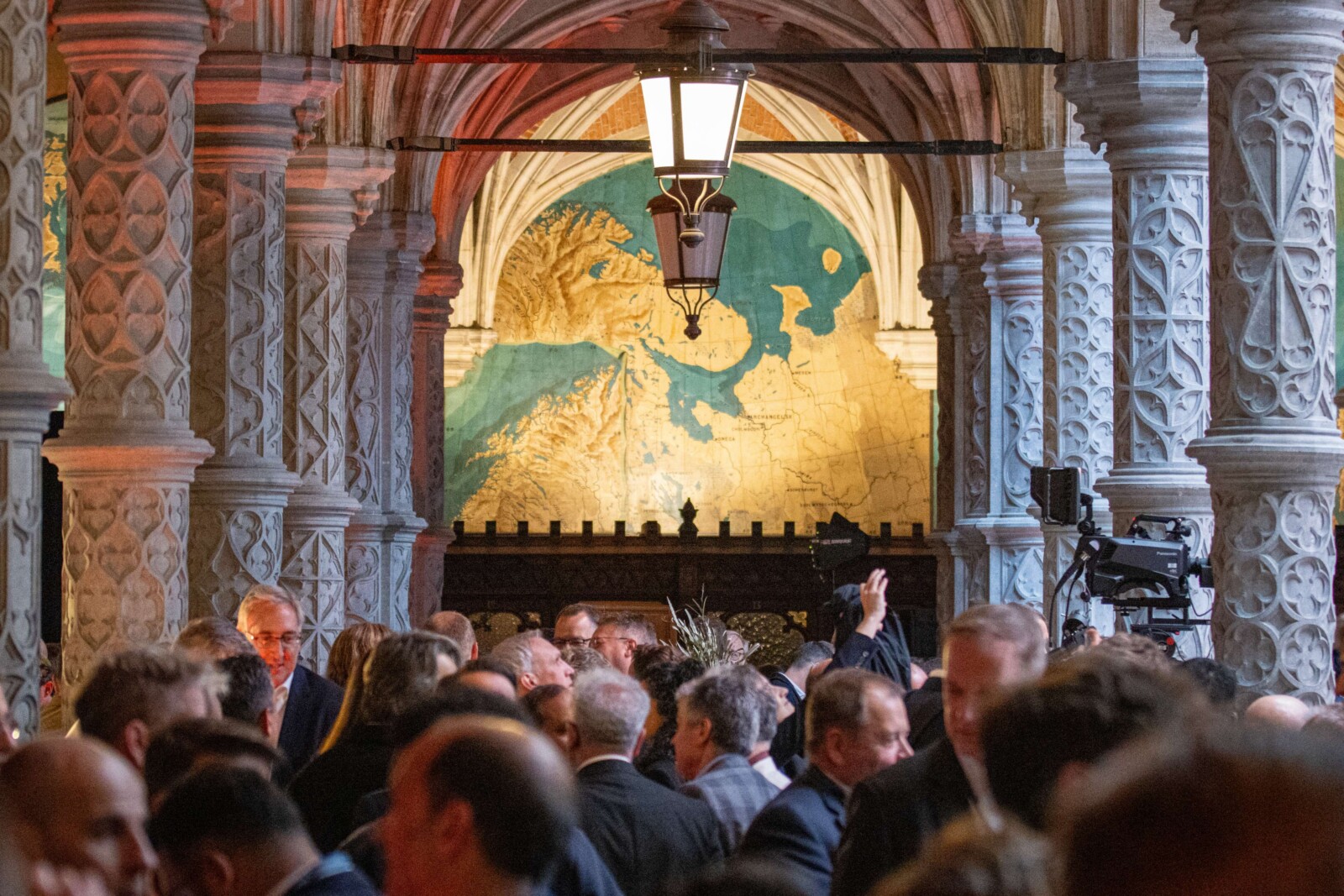
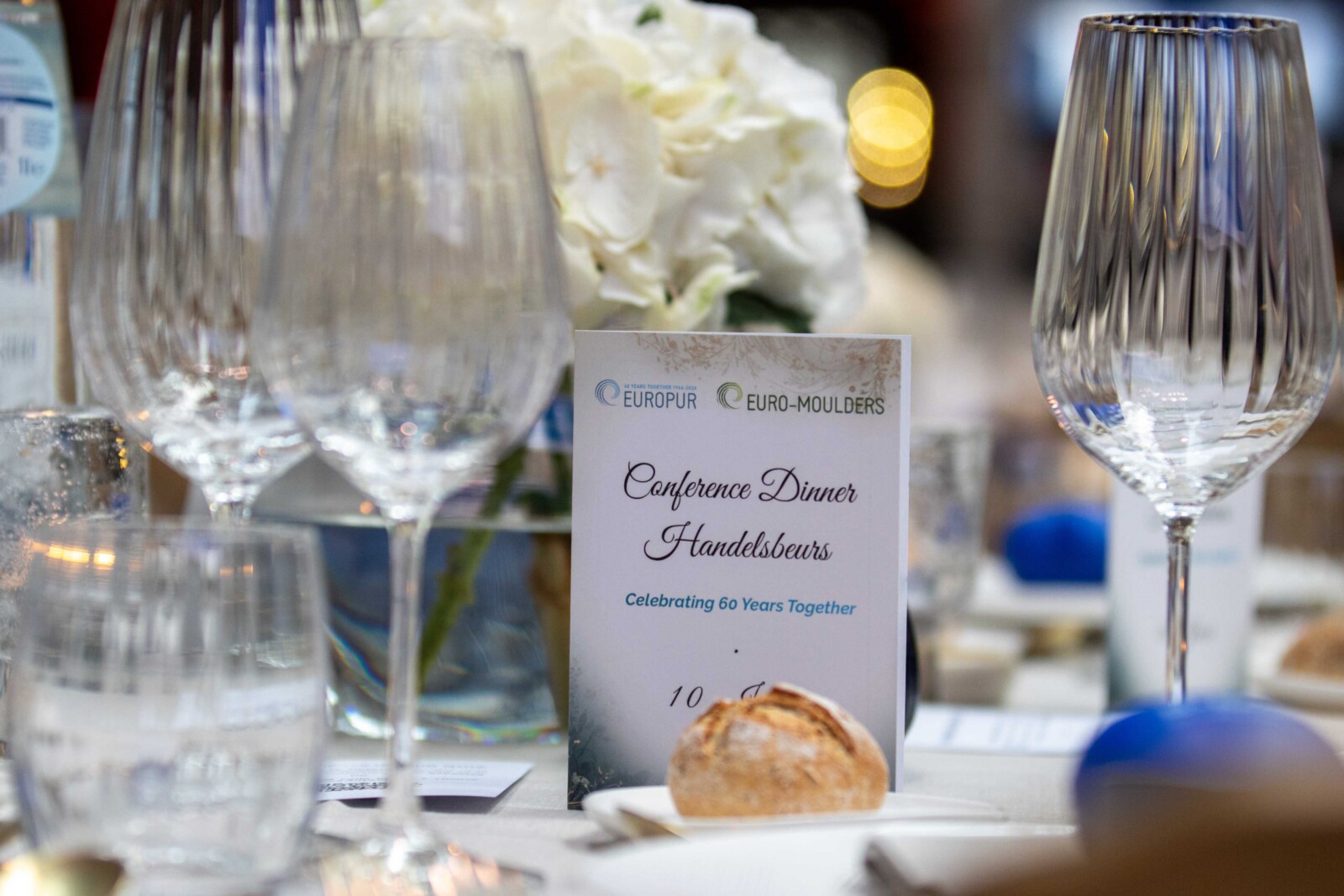
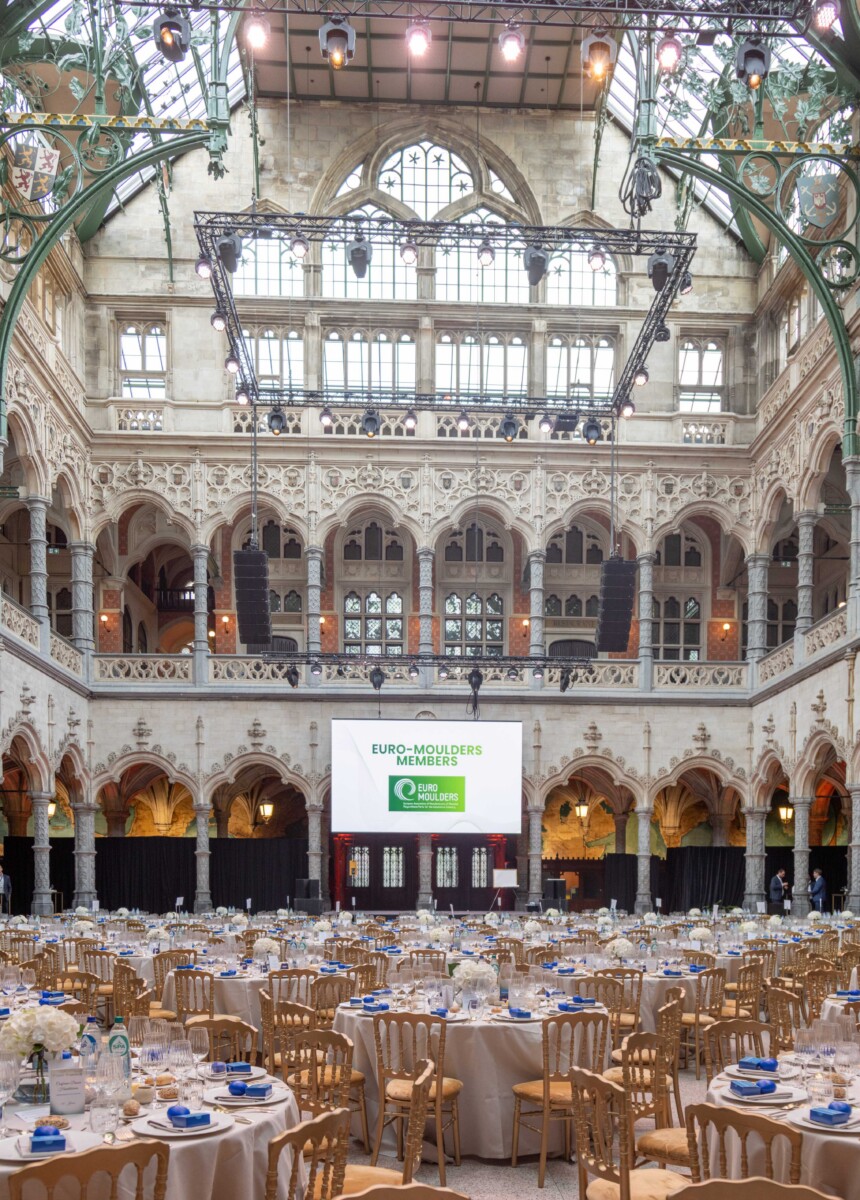
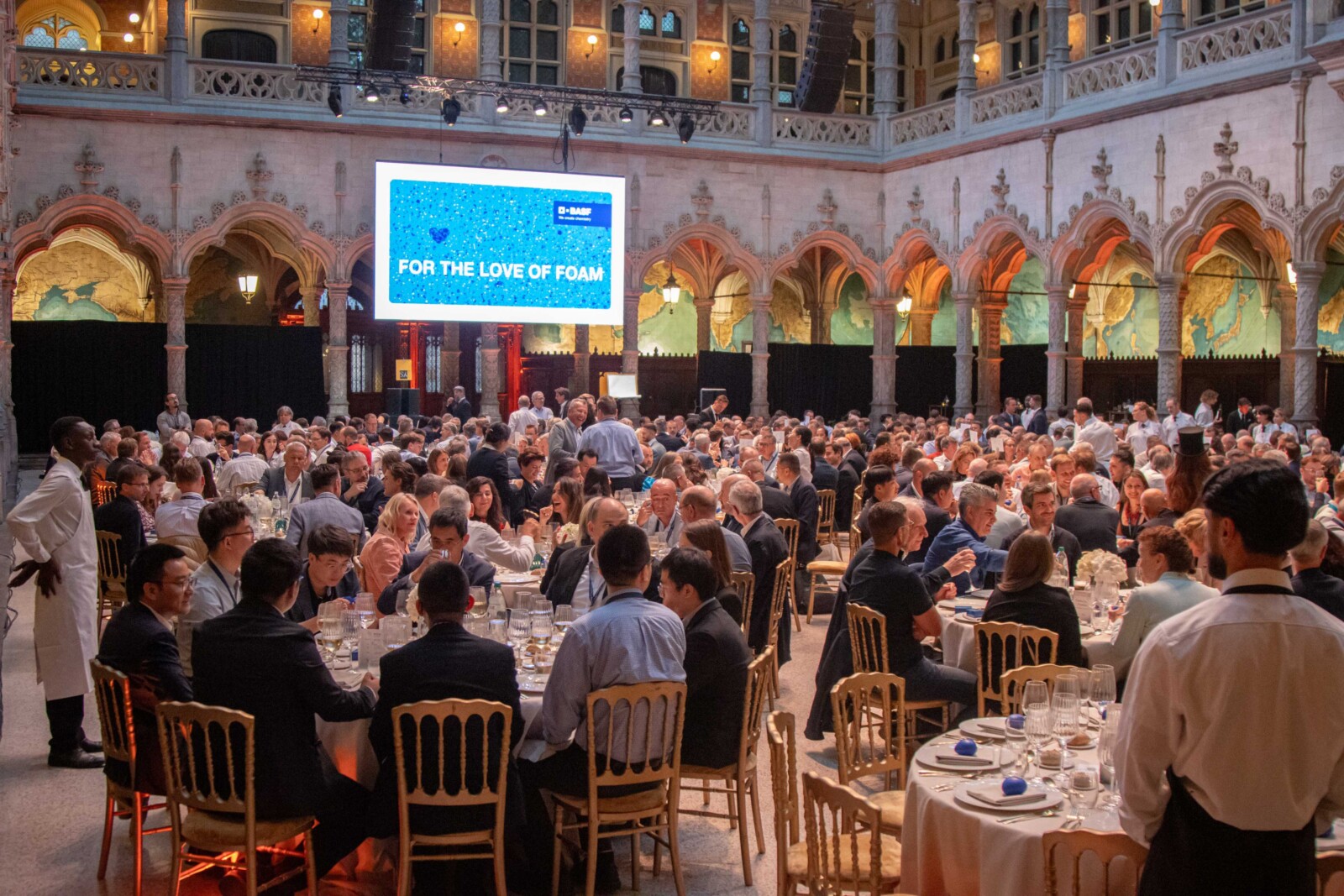
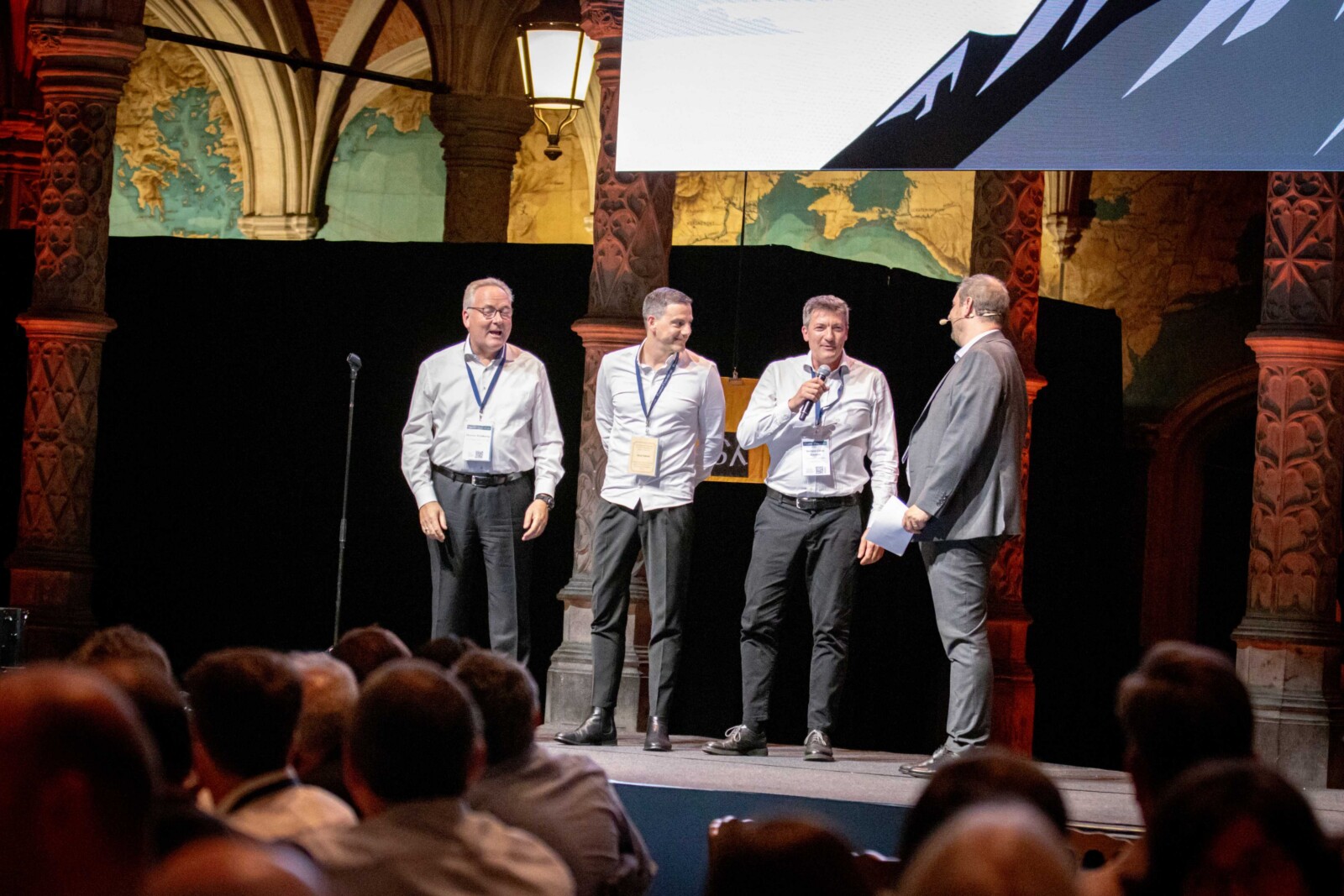
The conference dinner, kindly sponsored by BASF, took place at the Handelsbeurs Antwerp under the theme “For the Love of Foam”. It provided a fitting setting to celebrate EUROPUR’s 60th anniversary and the relationships built across the flexible polyurethane foam value chain over six decades.
The evening was not only a celebration of the association’s history, but also of the people, companies and partnerships that continue to shape the industry.
The 2026 Annual Conference confirmed the role of EUROPUR and EURO-MOULDERS as central platforms for dialogue, technical exchange and cooperation in the European flexible polyurethane foam industry.
From European industrial policy and market developments to ecodesign, EPR schemes, automotive circularity, product stewardship and material innovation, the discussions in Antwerp showed an industry preparing for a more demanding future.
The next Annual Conference will take place in Cologne, Germany, on 8-9 June, where we will celebrate 90 years of polyurethanes!
For more information, contact:
+32 (0)2 741 82 81